Leave empty if unknown. Enables more accurate calculations.

Basal Metabolic Rate (BMR) represents the number of calories your body burns at complete rest to maintain essential physiological functions like breathing, circulation, cell production, and nutrient processing. Understanding your BMR is the foundation of any successful weight management strategy, whether you’re looking to lose weight, gain muscle, or maintain your current physique.
Your BMR accounts for approximately 60-75% of your total daily energy expenditure, making it the largest component of your calorie needs. By calculating your BMR accurately, you can create personalized nutrition and fitness plans that align with your specific goals and biological needs.
Calculate your Basal Metabolic Rate with multiple formulas and get personalized insights
Leave empty if unknown. Enables more accurate calculations.
Basal Metabolic Rate Analysis
Step 1: Select your biological sex (male or female) as this significantly impacts metabolic calculations due to differences in muscle mass and hormonal profiles.
Step 2: Enter your age in years. Metabolism naturally slows with age, so this is a crucial factor in determining your BMR.
Step 3: Input your current weight. You can use kilograms (kg) or pounds (lbs) depending on your preference.
Step 4: Provide your height in centimeters, meters, feet, or inches – our calculator accepts multiple measurement systems.
Step 5: Click calculate to receive your BMR along with personalized recommendations for different activity levels.
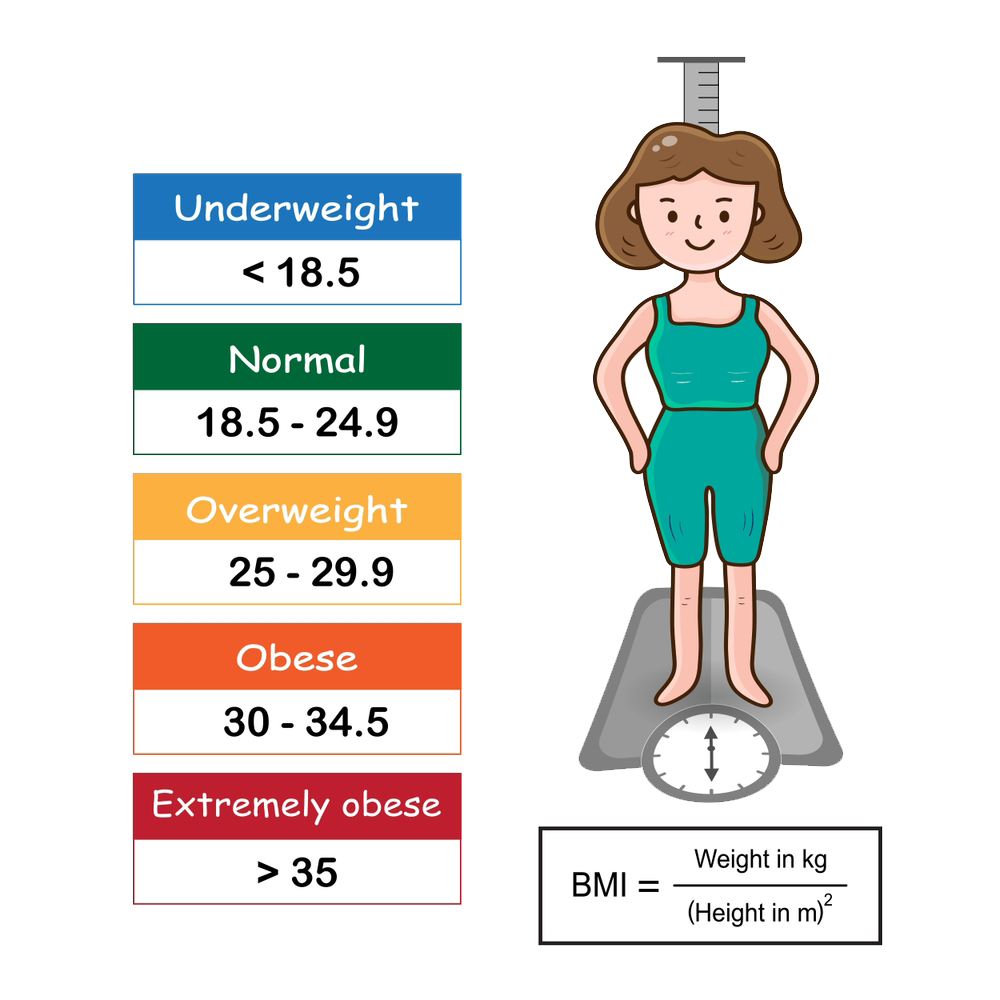
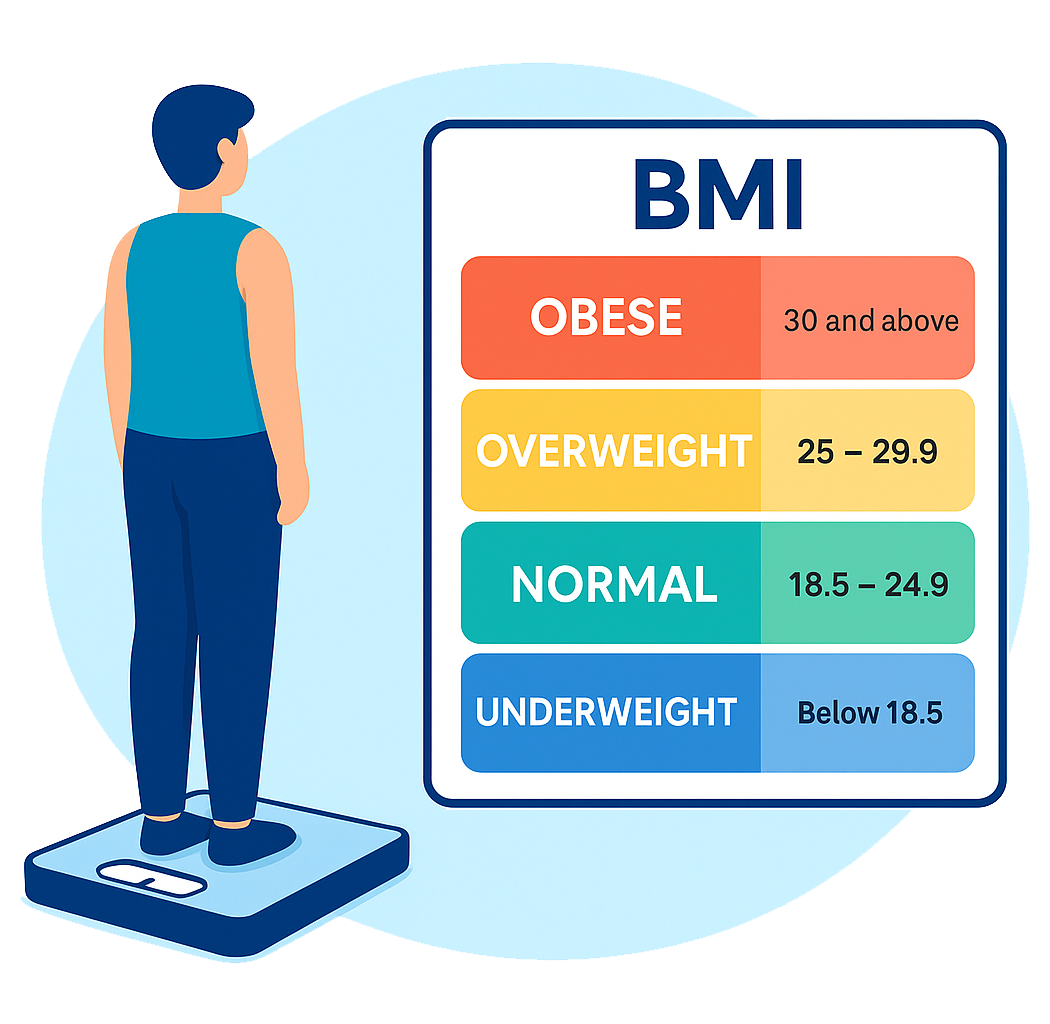
When your primary goal is weight loss, understanding your BMR becomes absolutely critical. To lose weight safely and effectively, you need to create a calorie deficit, which means consuming fewer calories than your body burns. However, eating significantly below your BMR can be counterproductive and potentially harmful.
Weight loss occurs when you maintain a calorie deficit over time. The general principle follows this equation:
Calories In < Calories Out = Weight Loss
However, successful weight loss isn’t just about creating any deficit – it’s about creating a sustainable, healthy deficit that preserves muscle mass while promoting fat loss. Most health professionals recommend a deficit of 500-750 calories per day from your Total Daily Energy Expenditure (TDEE), which typically results in losing 1-1.5 pounds per week.
Women have unique metabolic considerations that make personalized BMR calculations especially important. On average, women have lower BMRs than men due to differences in body composition, with women typically having higher body fat percentages and less muscle mass. Additionally, hormonal fluctuations throughout the menstrual cycle can impact metabolism and water retention.
BMI, TDEE, Keto, Macros, Protein Calculator, Workout Planner with 800+ Exercises, Barbell & 1RM Calculator for Gym

Quickly calculate your Body Mass Index to determine if you’re at a healthy weight based on your height and body.

Find out how many calories your body burns at rest to plan your daily nutrition and weight management strategy.

Calculate your total daily calorie burn including activity level to set accurate weight loss or gain targets.

Get a personalized diet plan with the right macronutrient balance to achieve your specific health and fitness goals.

Determine how long it will take to reach your goal weight and the daily calorie deficit needed for success.

Track your daily calorie needs and intake to effectively manage your weight .
Once you know your BMR, calculate your TDEE by multiplying your BMR by an activity factor. Then create a modest deficit from your TDEE, not your BMR. For example, if your BMR is 1,400 calories and your TDEE is 2,000 calories, aim for 1,500-1,700 calories daily for steady weight loss while still supporting your basal metabolic needs.
Gaining weight, particularly lean muscle mass, requires a strategic caloric surplus. Your BMR serves as the baseline for calculating how many additional calories you need to support muscle growth and healthy weight gain.
To gain weight in a controlled, healthy manner:
Calculate Your Starting Point: Know your BMR and TDEE to establish your maintenance calories – the amount needed to maintain your current weight.
Add a Moderate Surplus: Increase your daily intake by 300-500 calories above your TDEE. This supports muscle growth without excessive fat gain.
Prioritize Protein: Consume 0.8-1 gram of protein per pound of body weight to support muscle synthesis and recovery.
Train Progressively: Combine your caloric surplus with resistance training to ensure weight gain comes primarily from muscle rather than fat.
Monitor and Adjust: Track your progress weekly and adjust your intake based on the rate and quality of weight gain.
Athletes and bodybuilders often use BMR calculations to structure their bulking phases. During a bulk, the goal is to maximize muscle gain while minimizing fat accumulation. This requires a precise understanding of caloric needs, with many successful bulkers maintaining a surplus of just 10-20% above their TDEE calculated from their BMR.
Several scientifically validated formulas exist for calculating BMR, each with slightly different approaches and accuracy for various populations.
Widely considered the most accurate formula for the general population, the Mifflin-St Jeor equation was developed in 1990 and is now the standard used by many health professionals.
For Men: BMR = (10 × weight in kg) + (6.25 × height in cm) – (5 × age in years) + 5
For Women: BMR = (10 × weight in kg) + (6.25 × height in cm) – (5 × age in years) – 161
This formula accounts for the higher muscle mass in men through the additional constant, reflecting biological differences in metabolic rate between sexes.
Originally developed in 1919 and revised in 1984, the Harris-Benedict equation was one of the first BMR formulas used in clinical settings.
Revised Harris-Benedict for Men: BMR = 88.362 + (13.397 × weight in kg) + (4.799 × height in cm) – (5.677 × age in years)
Revised Harris-Benedict for Women: BMR = 447.593 + (9.247 × weight in kg) + (3.098 × height in cm) – (4.330 × age in years)
While historically important, this formula tends to overestimate BMR by approximately 5% in modern populations, likely due to changes in average body composition over the decades.
This formula takes a different approach by incorporating body fat percentage, making it more accurate for individuals who know their body composition.
BMR = 370 + (21.6 × lean body mass in kg)
Where lean body mass = total weight × (1 – body fat percentage as a decimal)
This formula is particularly useful for athletes and fitness enthusiasts who have accurate body composition data, as it accounts for the metabolic activity of lean tissue specifically.
For most people, the Mifflin-St Jeor formula provides the most accurate estimate without requiring specialized body composition measurements. However, very lean or very muscular individuals may benefit from the Katch-McArdle formula if they have reliable body fat percentage data.
Our BMR calculator seamlessly handles metric measurements, allowing you to input your weight in kilograms and height in centimeters or meters. The metric system often provides more precision in calculations and is the standard in scientific and medical contexts worldwide.
Using kilograms for weight and centimeters for height eliminates the need for conversions within the calculation formulas, potentially reducing rounding errors. If you typically use pounds and inches, don’t worry – our calculator handles conversions automatically to provide you with accurate results regardless of which measurement system you prefer.
If you need to convert your measurements:
While BMR represents calories burned at rest, your Total Daily Energy Expenditure (TDEE) accounts for all daily activities. TDEE is calculated by multiplying your BMR by an activity factor that reflects your lifestyle.
Sedentary (little to no exercise): BMR × 1.2
Lightly Active (light exercise 1-3 days/week): BMR × 1.375
Moderately Active (moderate exercise 3-5 days/week): BMR × 1.55
Very Active (hard exercise 6-7 days/week): BMR × 1.725
Extremely Active (very hard exercise, physical job, training twice per day): BMR × 1.9
Your TDEE represents your maintenance calories – the amount you can eat daily without gaining or losing weight. From this number, you can create appropriate deficits or surpluses:
Calculating BMR for children requires different approaches than adult calculations, as children have different metabolic needs and body composition patterns that change rapidly during growth and development.
Children’s metabolic rates are proportionally higher than adults due to growth requirements. Additionally, children’s activity levels can vary dramatically, making accurate TDEE calculation more complex. For these reasons, BMR calculators for children should only be used as general guidelines, and any significant dietary changes for children should involve consultation with pediatricians or registered dietitians.
Children and adolescents are in constant states of growth and development, which requires additional energy beyond basal metabolic needs. During growth spurts, caloric requirements can increase significantly. Furthermore, children have higher proportions of metabolically active tissue relative to body weight, contributing to higher BMRs per kilogram than adults.
If you’re calculating BMR for a child or teenager:
The National Health Service (NHS) in the United Kingdom provides evidence-based guidance on metabolism, weight management, and healthy lifestyle practices. While the NHS doesn’t endorse any specific BMR calculator, they recognize the importance of understanding metabolic rate in weight management contexts.
The NHS emphasizes sustainable lifestyle changes rather than restrictive dieting. Their recommendations include:
Balanced Nutrition: Focus on whole foods, fruits, vegetables, lean proteins, and whole grains rather than strict calorie counting alone.
Physical Activity: Aim for at least 150 minutes of moderate-intensity activity weekly, which naturally increases TDEE beyond BMR.
Realistic Goals: Target gradual weight loss of 0.5-1 kg (1-2 pounds) per week for sustainable results.
Professional Support: Access NHS weight management programs, dietitians, and healthcare providers for personalized guidance.
The NHS recognizes that certain medical conditions can significantly impact metabolic rate:
Thyroid Disorders: Hypothyroidism can decrease BMR by 20-40%, while hyperthyroidism can increase it significantly.
Polycystic Ovary Syndrome (PCOS): Can reduce metabolic rate and increase insulin resistance in women.
Medications: Certain medications including antidepressants, antipsychotics, corticosteroids, and beta-blockers can affect metabolic rate.
Metabolic Syndrome: Affects how the body processes energy and stores fat.
If you have any diagnosed medical conditions or take regular medications, discuss your BMR and weight management goals with your healthcare provider to ensure your approach is safe and appropriate for your situation.
Understanding what affects your basal metabolic rate helps you interpret your results and make informed decisions about metabolism optimization.
Muscle tissue is metabolically expensive, burning approximately 6 calories per pound per day at rest, while fat tissue burns only about 2 calories per pound daily. This explains why individuals with higher muscle mass have elevated BMRs. Resistance training and adequate protein intake help preserve or build muscle, supporting metabolic health.
BMR typically decreases by approximately 2-3% per decade after age 20, primarily due to loss of muscle mass and hormonal changes. This age-related decline isn’t inevitable – maintaining muscle through strength training can significantly slow or even reverse this trend.
Men generally have higher BMRs than women of the same age and weight due to higher testosterone levels, greater muscle mass, and lower body fat percentages. Women’s BMRs can also fluctuate throughout the menstrual cycle, with slight increases during the luteal phase.
Your genetic background influences your metabolic rate to some degree. Some people are genetically predisposed to faster or slower metabolisms, though lifestyle factors typically play a larger role in metabolic health than genetics alone.
Exposure to cold temperatures can temporarily increase BMR as the body works to maintain core temperature through thermogenesis. Similarly, very hot environments may slightly increase metabolic rate due to increased work for cooling mechanisms.
Thyroid hormones are primary regulators of metabolic rate. Thyroid-stimulating hormone (TSH), T3, and T4 directly impact how quickly your body burns calories. Other hormones including cortisol, insulin, growth hormone, and sex hormones also influence metabolic processes.
Chronic sleep deprivation and elevated stress levels can negatively impact BMR and metabolic health. Poor sleep disrupts hormones that regulate appetite and metabolism, while chronic stress elevates cortisol, which can promote fat storage and muscle breakdown.
Repeated cycles of severe calorie restriction can lead to “metabolic adaptation,” where the body becomes more efficient at functioning on fewer calories, effectively lowering BMR. This is why extreme dieting approaches often backfire long-term.
While your BMR is influenced by factors you can’t control like age and genetics, you can take steps to optimize your metabolic health and support a healthy BMR.
Building and maintaining muscle mass is the most effective long-term strategy for supporting metabolic health. Each pound of muscle you add can increase your daily calorie burn by 6-10 calories, and strength training creates an “afterburn effect” that keeps metabolism elevated for hours after exercise.
Actionable Steps:
Protein has the highest thermic effect of food (TEF), meaning your body burns more calories digesting protein compared to carbohydrates or fats. Consuming adequate protein also helps preserve muscle mass during weight loss.
Protein Recommendations:
Adequate hydration is essential for optimal metabolic function. Studies show that drinking water can temporarily boost metabolism by 10-30% for about an hour. Cold water may provide a slight additional boost as your body warms it to body temperature.
Hydration Guidelines:
Getting 7-9 hours of quality sleep nightly supports metabolic health by regulating hunger hormones, reducing cortisol, and supporting recovery from exercise. Sleep deprivation is associated with decreased metabolism and increased appetite.
Sleep Optimization:
High-Intensity Interval Training (HIIT) can boost metabolism for hours after exercise through excess post-exercise oxygen consumption (EPOC). Regular cardiovascular exercise also supports overall metabolic health and calorie expenditure.
Exercise Recommendations:
Chronic stress elevates cortisol, which can promote muscle breakdown, fat storage (particularly abdominal fat), and metabolic dysfunction. Implementing stress management techniques supports metabolic health.
Stress Reduction Strategies:
While total daily calorie intake matters most, some research suggests that meal timing and frequency may influence metabolic processes. Eating regular meals helps maintain steady blood sugar and prevents excessive hunger that leads to overeating.
Meal Timing Tips:
Understanding potential pitfalls helps you use BMR information more effectively.
One of the most common mistakes is consuming fewer calories than your BMR in an attempt to accelerate weight loss. This approach is counterproductive and potentially dangerous, as it deprives your body of energy needed for essential functions.
Why This Backfires:
Your BMR is not the same as the calories you can eat daily. You must account for activity level by calculating TDEE from your BMR. Creating a deficit from your TDEE, not your BMR, ensures you’re eating enough to support basic functions plus daily activities.
People commonly overestimate their activity level when calculating TDEE, leading to calorie targets that are too high for their goals. Be honest about your actual activity – most office workers fall into the sedentary or lightly active categories.
Metabolism optimization is a gradual process. Expecting dramatic BMR increases in days or weeks leads to disappointment. Focus on sustainable lifestyle changes that support metabolic health over months and years.
BMR formulas provide estimates based on population averages. Individual variation exists, and your actual BMR might be 10-15% higher or lower than calculated. Use BMR as a starting point and adjust based on real-world results.
Certain medical conditions and medications significantly impact metabolism. If you’re consistently gaining or losing weight despite following calculated calorie targets, consult healthcare providers to rule out thyroid issues, hormonal imbalances, or medication effects.
Once you know your BMR, you can create an evidence-based nutrition and fitness plan aligned with your specific goals.
Multiply your BMR by the appropriate activity factor to determine your maintenance calories. Be conservative with activity level selection – you can always adjust upward if needed.
Based on your goal:
Calculate protein, carbohydrate, and fat targets:
Structure your daily intake around whole, nutrient-dense foods:
Combine your nutrition plan with appropriate exercise:
Track your progress weekly:
Understanding your BMR isn’t just about weight management – it’s about long-term metabolic health and disease prevention.
Maintaining a healthy BMR through muscle mass preservation, regular physical activity, and balanced nutrition helps prevent metabolic syndrome, a cluster of conditions including high blood pressure, high blood sugar, excess abdominal fat, and abnormal cholesterol levels that increase disease risk.
Preserving metabolic health as you age requires intentional effort. The combination of strength training, adequate protein intake, stress management, and quality sleep helps maintain muscle mass and metabolic rate despite natural aging processes.
A healthy metabolism supports:
BMR calculators using validated formulas like Mifflin-St Jeor are typically accurate within 10-15% for most people. Individual variation exists, so use calculated BMR as a starting point and adjust based on real-world results.
Yes, building and maintaining muscle mass through strength training and adequate protein intake can permanently increase your BMR. Each pound of muscle adds 6-10 calories to your daily burn.
No, you should eat based on your TDEE (BMR times activity factor), not your BMR alone. Consistently eating below BMR can harm your health and metabolism.
10+ pounds), major lifestyle changes, or every 6-12 months to account for age-related changes.
Your BMR remains relatively stable throughout the day, though minor fluctuations occur based on meal timing, activity, and circadian rhythms. The variation is minimal compared to differences in daily activity.
While no single food dramatically increases BMR, protein has the highest thermic effect, and some compounds like caffeine and capsaicin can provide temporary, modest metabolic boosts. Focus on overall dietary patterns rather than specific "metabolism-boosting" foods.
Understanding your BMR empowers you to make informed decisions about nutrition, exercise, and lifestyle choices that support your health goals. Whether you’re focused on weight loss, muscle gain, athletic performance, or general wellness, your BMR provides the foundation for creating personalized, sustainable plans.
Use our free BMR calculator to get started today. Input your information, receive your results, and begin your journey toward optimized metabolic health. Remember that BMR is just one piece of the puzzle – combine this knowledge with balanced nutrition, regular exercise, quality sleep, and stress management for comprehensive metabolic wellness.
Your metabolism is unique to you, and with the right tools and information, you can optimize it to support your health and fitness goals for years to come. Calculate your BMR now and take the first step toward better understanding your body’s energy needs.
For more information on metabolism, nutrition, and weight management:
Remember that optimal health extends beyond numbers on a calculator. Focus on how you feel, your energy levels, strength improvements, and overall well-being as you work toward your goals. Your BMR is a valuable tool, but it’s part of a holistic approach to health that includes physical, mental, and emotional wellness.