
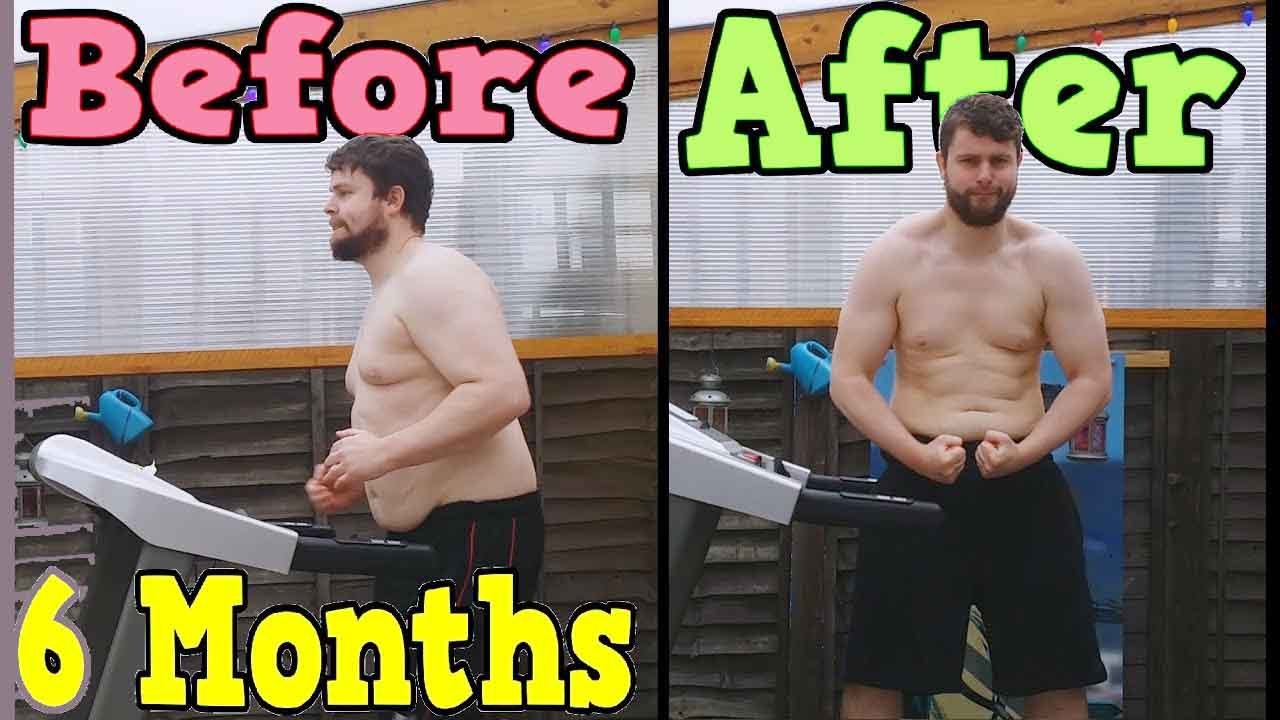
Calorie counting, intermittent fasting, keto, high protein, exercise: each has passionate supporters who say it is the answer. So which one actually works best?
This guide looks at what controlled studies show about each popular method, where each one helps, where it falls short, and why combining a few simple habits usually beats following any single diet.
This article is for general education only. If you have a medical condition, are pregnant, or take medication, speak to your doctor before changing your diet.
The Rule Behind Every Method
Every weight loss method works the same basic way: it helps you eat fewer calories than you burn over time. The methods differ in how they help you do that, through tracking, timing, food choice, fullness, or higher energy use.
Before choosing a method, it helps to know your numbers. Use our TDEE Calculator to estimate your daily calorie needs, and the Weight Loss Calculator to set a realistic timeline.

1. Calorie Counting
How it works: You record what you eat and aim for a daily calorie target below your maintenance level.
What research shows: Self-monitoring is one of the most consistent predictors of weight loss success. A systematic review by Burke and colleagues (Journal of the American Dietetic Association, 2011) found a significant association between regular dietary self-monitoring and weight loss.
Strengths: Flexible (no foods are banned), and it teaches you where your calories actually come from. Many people discover that snacks, drinks and cooking oils add far more than expected.
Weaknesses: It can feel tedious, and it isn’t suitable for anyone with a history of disordered eating.
Best for: People who like data and want to understand their eating habits.
2. Intermittent Fasting (Time-Restricted Eating)
How it works: You eat only within a set window, commonly 8 hours (the “16:8” method).
What research shows: Time-restricted eating can help people eat less, but it does not appear to have special fat-burning effects beyond that.
- The TREAT trial (Lowe et al., JAMA Internal Medicine, 2020) found 16:8 eating produced no significant weight loss advantage over three regular meals a day over 12 weeks.
- A 12-month trial by Liu et al. (New England Journal of Medicine, 2022) found that adding time restriction to calorie restriction did not produce more weight loss than calorie restriction alone.
Strengths: Simple rules, and it reduces late-night snacking. Some people find it easier to follow than counting.
Weaknesses: Some people overeat within the window, feel low on energy, or find it hard to fit around family and work meals. It isn’t recommended for people with diabetes on certain medications, or during pregnancy, without medical advice.
Best for: People who naturally aren’t hungry in the morning, or who struggle with evening snacking.
3. Keto (Very Low Carbohydrate)
How it works: Carbohydrates are cut to very low levels (often under 20–50 g per day), so the body relies more on fat for fuel.
What research shows: Keto often produces fast weight loss at first, but much of that early drop is water released as the body uses up stored carbohydrate (glycogen). Over longer periods, results are similar to other diets. The DIETFITS trial (Gardner et al., JAMA, 2018) randomised over 600 adults to a healthy low-carb or healthy low-fat diet. After 12 months, weight loss was not significantly different between the groups.
Strengths: Many people report reduced hunger, and quick early results can be motivating.
Weaknesses: Restrictive, socially difficult, and hard to sustain. Side effects in the first week (“keto flu”) are common. It is not suitable for everyone. Read our article on what doctors say about keto and try the Keto Diet Calculator if you’re considering it.
Best for: People who enjoy high-fat foods and don’t mind strict rules, with medical advice if they have health conditions.
4. High-Protein Eating
How it works: You increase protein at every meal while moderating overall calories.
What research shows: Protein is the most filling macronutrient. Research reviewed by Leidy and colleagues (American Journal of Clinical Nutrition, 2015) found that higher-protein diets improve appetite control and help preserve lean muscle during weight loss. Many researchers suggest around 1.2–1.6 g of protein per kg of body weight per day during weight loss for healthy adults.
Strengths: Less restrictive than keto, helps control hunger, and protects muscle, especially when combined with strength training.
Weaknesses: Requires planning. People with kidney disease should check with their doctor before increasing protein.
Best for: Almost everyone as a foundation. See our guide to a high-protein diet for muscle building.
5. Exercise-First Approach
How it works: You focus on regular physical activity, such as strength training, cardio and daily walking.
What research shows: Exercise alone usually produces modest weight loss, because it’s easy to eat back the calories burned. But exercise is strongly linked to keeping weight off. People in the US National Weight Control Registry, who have maintained significant weight loss long-term, report high levels of regular physical activity. Strength training also helps preserve muscle while dieting.
Strengths: Improves heart health, mood, sleep, strength and body shape, even when the scale moves slowly.
Weaknesses: Slower scale results if used without any diet change.
Best for: Everyone, alongside a sensible eating approach.
Which Method Works Best?
When studies compare diets head-to-head over a year or more, no single diet consistently wins. The best predictor of success is whether a person can stick with the approach.
| Method | Speed of early results | Ease of sticking with it | Main benefit |
|---|---|---|---|
| Calorie counting | Moderate | Medium | Awareness and flexibility |
| Intermittent fasting | Moderate | Medium–High | Simple rules, less snacking |
| Keto | Fast (partly water) | Low–Medium | Reduced hunger for some |
| High protein | Moderate | High | Fullness and muscle protection |
| Exercise | Slow (on the scale) | High | Maintenance and overall health |
A Practical Approach That Combines the Best of Each
Instead of choosing one method, many people do best by stacking a few simple habits:
- Know your numbers. Estimate your calorie needs with the TDEE Calculator.
- Build meals around protein. Include a protein source at every meal.
- Set a rough eating window. For example, no eating after 8 pm, if that suits you.
- Strength train 2–3 times a week, and walk daily.
- Track for a few weeks, even roughly, to learn your habits.
- Add one change at a time. Changing everything at once is the most common reason people give up.
A safe rate of loss for most adults is around 0.5–1 kg (1–2 lb) per week. For more guidance, read how to lose weight safely.
Frequently Asked Questions
Which weight loss method is fastest?
Keto often shows the fastest early results, but much of the first drop is water. Over a year, results are similar across diets.
Can I combine intermittent fasting and keto?
Some people do, but combining two restrictive approaches makes it harder to eat enough protein and nutrients. Check with your doctor first if you have any health condition.
Do I need to count calories to lose weight?
Not necessarily, but tracking for a few weeks helps most people understand what they actually eat.
Is exercise necessary for weight loss?
You can lose weight through diet alone, but exercise helps preserve muscle and is strongly linked to keeping weight off.
What if my weight isn’t changing despite eating less?
Most often, intake is higher than estimated. If you have been in a genuine deficit for several weeks with no change, speak to your doctor, who may check for conditions such as hypothyroidism.
Sources
- Burke LE, Wang J, Sevick MA. Self-monitoring in weight loss: a systematic review of the literature. J Am Diet Assoc. 2011;111:92–102.
- Lowe DA, et al. Effects of time-restricted eating on weight loss and other metabolic parameters (TREAT). JAMA Intern Med. 2020;180:1491–1499.
- Liu D, et al. Calorie restriction with or without time-restricted eating in weight loss. N Engl J Med. 2022;386:1495–1504.
- Gardner CD, et al. Effect of low-fat vs low-carbohydrate diet on 12-month weight loss (DIETFITS). JAMA. 2018;319:667–679.
- Leidy HJ, et al. The role of protein in weight loss and maintenance. Am J Clin Nutr. 2015;101:1320S–1329S.
- Wing RR, Phelan S. Long-term weight loss maintenance. Am J Clin Nutr. 2005;82:222S–225S.

Dr. Grace is a health and wellness content author dedicated to providing clear, accurate, and easy-to-understand information on nutrition, weight management, fitness, and general health. She focuses on original, evidence-informed content that helps readers better understand health topics and make informed choices.