
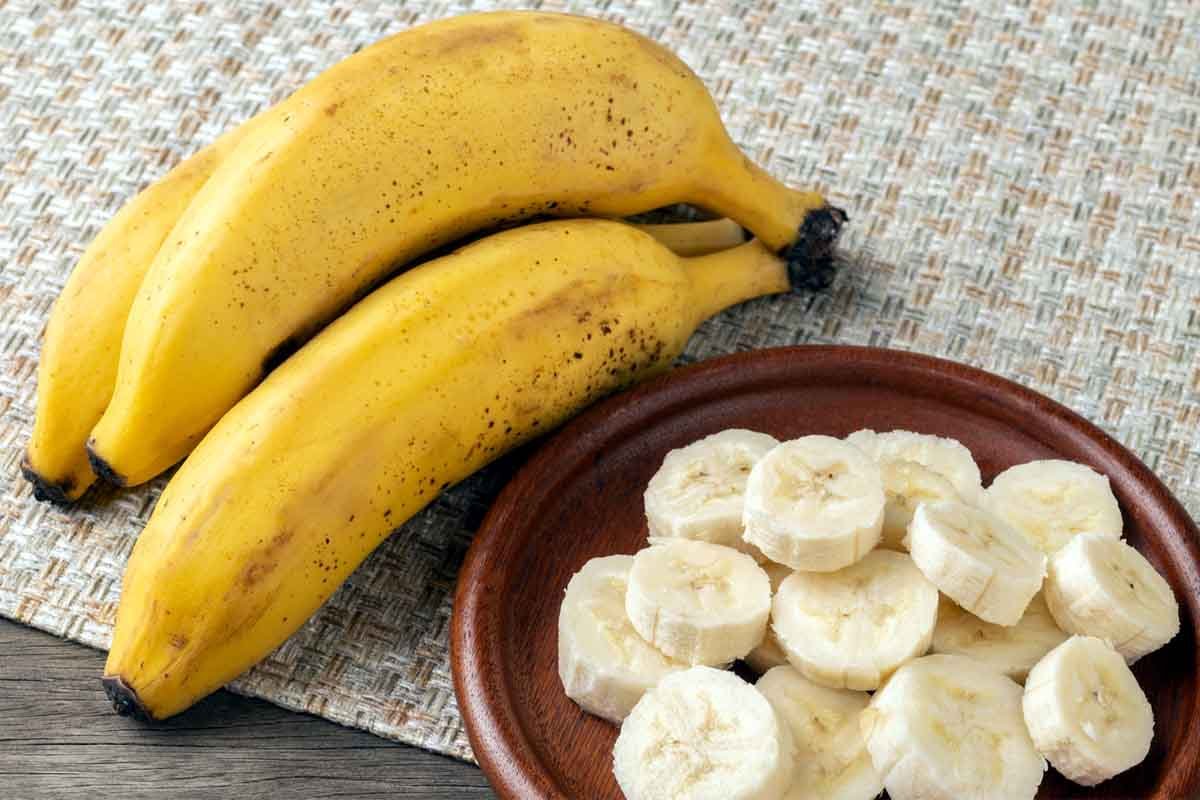
Wondering how much sugar is in a banana? A medium banana contains approximately 14.4 grams of natural sugar, along with 105 calories, 27 grams of carbohydrates, and 3 grams of dietary fibre. Bananas taste sweet, especially when fully ripe, but they also provide potassium, vitamin B6, and other important nutrients. At Health Calculator Co , we explain fruit nutrition in simple English so you can understand sugar content and make informed food choices.
The amount of sugar in a banana depends on its size, variety, and ripeness. A small banana contains less total sugar than a large one, while a ripe banana generally has more simple sugars and less starch than a green banana. This guide compares banana sugar by size, explains the different types of natural sugar, and explores how bananas affect blood glucose, especially for people living with diabetes.
Quick Answer: One medium banana, weighing approximately 118 grams without the peel, contains about 14.4 grams of sugar, 105 calories, 27 grams of carbohydrates, 3.1 grams of fibre, and 1.3 grams of protein. The sugar is naturally occurring rather than added sugar. Bananas can fit into a healthy diet, including many diabetes meal plans, but portion size and ripeness influence their effect on blood sugar.
How Much Sugar Is in a Banana?
A typical medium banana contains around 14 grams of naturally occurring sugar. This sugar is part of the fruit’s total carbohydrate content, which also includes starch and dietary fibre.
According to standard USDA-based nutrition data, a medium banana weighing 118 grams contains approximately 14.4 grams of sugar. Larger bananas contain more total sugar because they provide a greater amount of edible fruit.
It is important to understand that the sugar found in a whole banana is not nutritionally identical to eating the same amount of sugar from candy or sweetened drinks. Whole bananas also contain fibre, water, vitamins, and minerals.
Banana Sugar Content by Size
Banana size is one of the easiest ways to estimate sugar intake. A smaller banana provides fewer carbohydrates and less sugar than a larger banana. The table below compares common sizes using standard edible weights.
| Banana Size | Edible Weight | Sugar | Calories |
|---|---|---|---|
| Extra Small | 81 g | 9.9 g | 72 |
| Small | 101 g | 12.3 g | 90 |
| Medium | 118 g | 14.4 g | 105 |
| Large | 136 g | 16.6 g | 121 |
| Extra Large | 152 g | 18.6 g | 135 |
Rounded estimates based on raw banana nutrition values per 100 grams. Weights exclude the peel. Actual sugar content varies by banana variety, ripeness, and size.
How Much Sugar Is in a Small Banana?
A small banana contains approximately 12.3 grams of natural sugar. It typically weighs around 101 grams without the peel and provides about 90 calories and 23 grams of total carbohydrates.
A small banana can be a convenient option for someone who wants a smaller portion of fruit. It provides useful nutrients while containing less carbohydrate than a large banana.
For people with diabetes, a small banana may be easier to include in a carbohydrate-controlled meal plan than a large banana. However, the appropriate serving depends on individual blood sugar goals and the rest of the meal.
What Type of Sugar Is in a Banana?
The main types of sugar in a banana are fructose, glucose, and sucrose. These are naturally occurring sugars found in many fruits.
Each sugar has a slightly different chemical structure and is processed differently by the body. However, all digestible carbohydrates can contribute to overall energy intake and affect blood glucose.
| Type of Sugar | What It Is | Role in the Body |
|---|---|---|
| Fructose | A natural sugar found in fruit | Primarily processed by the liver |
| Glucose | A simple sugar | Can directly raise blood glucose |
| Sucrose | A sugar made from glucose and fructose | Broken down during digestion |
The proportions of these sugars change as a banana ripens. Green bananas contain more starch, including resistant starch, while ripe bananas contain a greater proportion of simple sugars.
Does Banana Ripeness Affect Sugar Content?
Yes. Ripeness changes the way carbohydrates are stored inside a banana. As a banana turns from green to yellow and develops brown spots, enzymes convert much of its starch into sugars.
This is why ripe bananas taste sweeter and have a softer texture than green bananas. Ripening does not mean that every gram of starch becomes additional total carbohydrate. Instead, the balance between starch and sugar changes.
| Ripeness | Carbohydrate Characteristics | Blood Sugar Consideration |
|---|---|---|
| Green Banana | More starch and resistant starch | Often produces a slower response |
| Firm Yellow Banana | Mix of starch and natural sugars | Moderate response depending on portion |
| Fully Ripe Banana | More sugars and less resistant starch | May raise blood sugar more quickly |
| Overripe Banana | Very soft, with a high proportion of sugars | Portion control becomes especially useful |
These are general ripeness patterns, not exact glycemic predictions. Individual responses depend on portion size, the meal, and personal glucose regulation.
Banana Sugar Is Good or Bad?
If you are wondering whether banana sugar is good or bad, the answer depends on the amount eaten and your overall dietary needs. The natural sugar in a whole banana is not automatically harmful simply because it tastes sweet.
Bananas provide fibre, potassium, vitamin B6, and other nutrients. The fibre helps slow digestion compared with consuming sugar in a drink that contains little or no fibre.
However, natural sugar still contributes to carbohydrate intake. This matters especially for people managing diabetes or following a specific carbohydrate target.
Natural Sugar vs. Added Sugar
Natural sugar occurs in whole foods such as fruits and milk. Added sugar is introduced during food preparation or manufacturing, such as sugar added to sweets, soft drinks, and desserts.
Whole fruit generally offers more nutritional value than sugary drinks or sweets because it also supplies fibre and micronutrients. Nevertheless, serving size remains important.
Is Banana Sugar Healthy?
For most people, the natural sugar in a whole banana can fit comfortably into a balanced diet. The goal is not to eliminate fruit sugar, but to eat appropriate portions and maintain a varied eating pattern.
1 Banana Calories and Protein: Full Nutrition Facts
When checking 1 banana calories and protein, it is useful to consider the complete nutritional profile. A medium banana contains around 105 calories and 1.3 grams of protein.
Bananas are primarily a carbohydrate-rich fruit, not a high-protein food. Their main nutritional benefits include energy, fibre, potassium, and vitamin B6.
| Nutrient | 1 Medium Banana (118 g) |
|---|---|
| Calories | 105 kcal |
| Total Carbohydrates | 26.9 g |
| Natural Sugar | 14.4 g |
| Dietary Fibre | 3.1 g |
| Protein | 1.3 g |
| Total Fat | 0.4 g |
| Potassium | About 422 mg |
| Vitamin B6 | About 0.43 mg |
| Vitamin C | About 10.3 mg |
Approximate USDA-based values for a medium raw banana. Nutrient values may differ slightly by variety and ripeness.
Does Banana Raise Blood Sugar Quickly?
Bananas can raise blood sugar because they contain digestible carbohydrates, including sugars and starch. However, the speed and size of the increase depend on several factors.
Bananas contain dietary fibre, which can slow carbohydrate digestion and absorption. Green bananas also contain resistant starch, which is less readily digested in the small intestine.
Fully ripe bananas generally contain more readily available sugars than green bananas. Therefore, a very ripe banana may produce a faster glucose response than a less ripe banana.
What Is the Glycemic Index of a Banana?
The glycemic index, or GI, measures how quickly a carbohydrate-containing food raises blood glucose under standard testing conditions.
Bananas generally fall within the low-to-medium glycemic index range, with reported values varying by ripeness, variety, and testing conditions.
| GI Category | GI Score |
|---|---|
| Low | 55 or less |
| Medium | 56–69 |
| High | 70 or higher |
Glycemic index is only one part of the picture. The amount of carbohydrate eaten, known as the carbohydrate load, also affects blood sugar. A large banana can have a greater effect than a small banana even when their GI is similar.
How Much Will a Banana Raise Your Blood Sugar?
There is no single number that accurately predicts how much a banana will raise your blood sugar. Two people can eat the same banana and experience different glucose changes.
The response depends on your insulin sensitivity, diabetes status, medication, activity level, the banana’s size and ripeness, and other foods eaten with it.
Factors That Affect Blood Sugar After Eating a Banana
- Banana size: Larger bananas contain more total carbohydrates.
- Ripeness: Riper bananas generally contain more simple sugars.
- Other foods: Protein, fat, and fibre in a mixed meal may change glucose absorption.
- Physical activity: Recent movement and exercise can affect glucose regulation.
- Diabetes medication: Insulin and other treatments influence glucose responses.
- Individual metabolism: People respond differently to the same food.
If you monitor blood glucose, checking before eating and at the post-meal time recommended by your diabetes care team can help you understand your response.
Avoid relying on claims that one banana will always raise blood sugar by a fixed number of mg/dL. Such predictions are not reliable for every person.
How Many Bananas Can a Diabetic Eat a Day?
There is no universal number of bananas that every person with diabetes can eat each day. The appropriate amount depends on carbohydrate goals, blood glucose control, activity, medication, and individual needs.
Many people with diabetes can enjoy bananas as part of a balanced eating plan. The American Diabetes Association includes bananas among fruit choices and recommends considering total carbohydrates when planning meals.
For someone using a carbohydrate-counting plan, half of a medium banana contains approximately 13.5 grams of total carbohydrate. This can be a practical starting portion when aiming for around 15 grams of carbohydrate from fruit.
However, this is not a fixed daily limit or a recommendation for everyone. Some people may comfortably include a whole banana, while others may need a smaller portion.
Banana Portions for Carbohydrate Awareness
| Portion | Approx. Total Carbs | Approx. Sugar |
|---|---|---|
| Half Medium Banana | 13.5 g | 7.2 g |
| 1 Small Banana | 23 g | 12.3 g |
| 1 Medium Banana | 26.9 g | 14.4 g |
| 1 Large Banana | 31 g | 16.6 g |
These figures help with carbohydrate counting, not with prescribing a daily banana limit. Ask your diabetes care team for individual portion guidance.
Are Bananas Good for People With Type 2 Diabetes?
Bananas can fit into many eating plans for people with type 2 diabetes. They provide fibre, potassium, vitamin B6, and naturally occurring carbohydrates.
The key is to consider the total carbohydrate amount and how the fruit fits into the rest of the meal. Eating an appropriate portion may be more useful than completely avoiding bananas.
A firm, less ripe banana may have a different glycemic effect from an overripe banana. Pairing fruit with foods containing protein or healthy fats may also help moderate the response.
Tips for Eating Bananas With Diabetes
- Choose a portion that fits your carbohydrate plan.
- Consider a smaller or firmer banana.
- Pair banana with plain Greek yogurt or nuts.
- Count total carbohydrates, not only sugar grams.
- Monitor your personal glucose response when advised.
- Spread fruit portions throughout the day if helpful.
People using insulin or medications that can cause low blood glucose should follow their personalised treatment and meal plan.
Is a Green Banana Better Than a Ripe Banana for Diabetes?
A green or slightly unripe banana contains more resistant starch than a fully ripe banana. Resistant starch is not digested in the same way as ordinary starch and can contribute to a slower glucose response.
As bananas ripen, some starch converts into sugars. This can make ripe bananas easier to digest and sweeter, but it may also increase their glycemic impact.
However, a green banana is not automatically the best option for every person with diabetes. Portion size, digestion, and overall meal composition remain important.
How Does Banana Sugar Compare With Other Fruits?
Bananas contain more sugar per typical serving than some fruits, but less than others. Comparisons should use the same serving weight because fruits vary greatly in size.
| Fruit | Sugar Per 100 g | Calories Per 100 g |
|---|---|---|
| Banana | 12.2 g | 89 |
| Apple | 10.4 g | 52 |
| Orange | 9.4 g | 47 |
| Strawberries | 4.9 g | 32 |
| Grapes | 15.5 g | 69 |
| Mango | 13.7 g | 60 |
| Watermelon | 6.2 g | 30 |
Approximate raw fruit values based on standard nutrition composition data. Values vary by variety, ripeness, and preparation.
A fruit with less sugar is not necessarily healthier in every situation. Fruits provide different combinations of fibre, vitamins, minerals, and plant compounds. Variety is important.
What Are the Health Benefits of Bananas?
Although bananas contain natural sugar, they also provide nutrients that support normal body functions. Their health benefits come from the overall nutritional composition rather than sugar alone.
1. Provide Energy
Bananas contain carbohydrates that the body can use for energy. This makes them a convenient snack before or after physical activity.
2. Support Digestive Health
Bananas provide dietary fibre, including pectin. Less ripe bananas also contain resistant starch, which can be fermented by gut bacteria.
3. Provide Potassium
Potassium supports normal nerve and muscle function and helps maintain fluid balance. A medium banana provides approximately 422 milligrams of potassium.
4. Supply Vitamin B6
Vitamin B6 is involved in protein metabolism and several important body functions. Bananas are a useful dietary source of this vitamin.
5. Offer a Convenient Snack
Bananas require little preparation, are easy to carry, and can be eaten alone or combined with other nutritious foods. Their convenience can make healthy snacking easier.
Can Eating Bananas Cause Too Much Sugar Intake?
Eating one banana does not automatically mean you are consuming too much sugar. However, eating several large bananas in one sitting can add a substantial amount of carbohydrates to your diet.
For example, two medium bananas contain approximately 28.8 grams of natural sugar and 53.8 grams of total carbohydrates.
These carbohydrates can affect blood glucose, particularly for people with diabetes. It is more useful to consider overall carbohydrate intake than to judge bananas only by their sugar content.
Is Banana Better Than Candy or Sugary Snacks?
A whole banana generally provides more nutritional benefits than many candies and sugary snacks. It contains fibre, potassium, vitamin B6, and other nutrients alongside its natural sugars.
Candy and sweetened drinks often provide added sugar with little dietary fibre. However, both bananas and sugary snacks contain carbohydrates that can affect blood glucose.
For everyday eating, whole fruit is usually a nutritious choice. People managing diabetes should still consider portions and carbohydrate amounts.
How to Eat Bananas Without a Large Blood Sugar Spike
You cannot guarantee that a banana will cause no rise in blood glucose. However, several practical habits may help moderate the response.
Simple Banana Snack Ideas
- Banana with peanut butter: Pair half a banana with a measured serving of unsweetened peanut butter.
- Banana with Greek yogurt: Add sliced banana to plain, unsweetened Greek yogurt.
- Banana with nuts: Combine a small portion of banana with almonds or walnuts.
- Banana oatmeal: Add a few banana slices to oats instead of adding extra sugar.
- Half-banana snack: Choose a smaller portion when you want fewer carbohydrates.
These combinations can provide protein, fat, or fibre alongside the banana’s carbohydrates. They may change the rate of digestion, although individual blood glucose responses still vary.
Whole Banana vs. Banana Smoothie: Which Is Better?
A whole banana and a banana smoothie can both fit into a healthy diet, but the ingredients and serving size make a difference.
Eating a whole banana makes it easier to recognise the amount of fruit consumed. Smoothies may contain several bananas, sweetened milk, honey, syrups, or other ingredients that increase total carbohydrates.
Blending whole fruit generally retains much of its fibre, unlike straining juice. However, smoothies can be consumed quickly and may provide larger portions.
If you have diabetes, count the carbohydrates from every ingredient in your smoothie.
How to Calculate Sugar in a Banana by Weight
If you know the edible weight of your banana, you can estimate its sugar content using an average of 12.2 grams of sugar per 100 grams of raw banana.
Simple Banana Sugar Formula
Estimated Sugar (g) = Edible Banana Weight (g) × 0.122
For example, a peeled banana weighing 120 grams:
120 × 0.122 = 14.64 grams of sugar.
This formula gives an approximate estimate, not an exact measurement. Ripeness and variety can affect the actual sugar content.
Always weigh the edible portion without the peel. The peel is not included in standard banana nutrition serving weights.
Common Myths About Banana Sugar
Myth 1: Bananas Contain Added Sugar
Plain, fresh bananas naturally contain sugar. They do not contain added sugar unless sugar or sweeteners are introduced during preparation or processing.
Myth 2: People With Diabetes Must Avoid Bananas
Many people with diabetes can include bananas in a balanced meal plan. Portion size, carbohydrate intake, and personal glucose response are more important than avoiding the fruit entirely.
Myth 3: Green Bananas Contain No Sugar
Green bananas generally contain less simple sugar and more starch than ripe bananas, but they are not completely free from sugar or carbohydrates.
Myth 4: Bananas Always Cause Dangerous Blood Sugar Spikes
Bananas can raise blood glucose, but the response varies widely. A small portion may produce a different response from a large, overripe banana.
Myth 5: Banana Sugar Is the Same as Drinking Soda
Both provide sugars that contribute energy, but whole bananas also contain fibre, vitamins, and minerals. This makes the overall nutritional profile different from most sugary soft drinks.
Frequently Asked Questions About Banana Sugar
How much sugar is in a banana?
A medium banana weighing approximately 118 grams contains about 14.4 grams of natural sugar. The amount varies with size, variety, and ripeness.
How much sugar is in a small banana?
A small banana weighing around 101 grams without the peel contains approximately 12.3 grams of natural sugar and 90 calories.
Is banana sugar good or bad?
Banana sugar is naturally occurring and comes with fibre, vitamins, and minerals. It can fit into a healthy diet, but portion size matters for people managing carbohydrate intake.
How many bananas can a diabetic eat a day?
There is no single daily banana limit for everyone with diabetes. The suitable amount depends on individual carbohydrate goals, medication, activity, and blood sugar response. Half a medium banana contains approximately 13.5 grams of total carbohydrates.
Does banana raise blood sugar quickly?
Bananas can raise blood sugar because they contain carbohydrates. Riper bananas may produce a faster response than greener bananas, but the effect depends on portion size and individual metabolism.
How much will a banana raise your blood sugar?
There is no reliable fixed increase in mg/dL that applies to everyone. The response depends on banana size, ripeness, medication, activity, and individual glucose regulation.
How many calories and protein are in one banana?
One medium banana contains approximately 105 calories and 1.3 grams of protein. It also provides around 27 grams of carbohydrates and 3.1 grams of dietary fibre.
What type of sugar is in a banana?
The main natural sugars in bananas are fructose, glucose, and sucrose. Their proportions change as the banana ripens and starch converts into sugars.
Do ripe bananas have more sugar than green bananas?
Ripe bananas generally contain a greater proportion of simple sugars because starch breaks down during ripening. Green bananas contain more starch, including resistant starch.
Is it safe to eat a banana every day?
For most healthy people, eating a banana daily can be part of a balanced diet. People with diabetes, kidney conditions, or specific dietary restrictions may need personalised guidance.
Does a banana have more sugar than an apple?
Per 100 grams, raw banana contains approximately 12.2 grams of sugar, while a typical raw apple contains around 10.4 grams. Actual sugar per fruit depends on serving size.
Can you eat bananas on a low-sugar diet?
Whole bananas can fit into many eating plans that limit added sugar. However, people restricting total carbohydrates or sugars for medical reasons should consider their individual targets.
Final Thoughts
So, how much sugar is in a banana? A medium banana contains approximately 14.4 grams of natural sugar, while a small banana provides around 12.3 grams. Banana size and ripeness influence its sugar content and potential effect on blood glucose.
Although bananas contain carbohydrates, they also provide dietary fibre, potassium, vitamin B6, and other useful nutrients. For most people, bananas can be part of a healthy diet. People with diabetes should pay attention to portions, total carbohydrates, and personal glucose responses rather than automatically avoiding the fruit.
At Health Calculator Co, our goal is to make nutrition information clear and practical. Understanding the difference between natural sugar, added sugar, and total carbohydrates can help you make more informed choices. Remember that a balanced diet is built on food variety, suitable portions, and consistent healthy habits.
Nutrition and Health References:
- USDA FoodData Central – Food Composition and Banana Nutrition Data
- Healthline – How Bananas Affect Diabetes and Blood Sugar Levels
- Healthline – Banana Nutrition Facts and Health Benefits
- American Diabetes Association – Best Fruit Choices for Diabetes
- Cleveland Clinic – Fruits High in Sugar
- WebMD – Sugar Content in Different Fruits
- TODAY – Are Bananas Good for You?
All nutrition values are approximate and may vary according to banana size, variety, ripeness, and preparation. This article is intended for general nutrition education and does not replace professional medical advice. People with diabetes should follow personalised carbohydrate and medication guidance from their healthcare team. Do not change diabetes medication based on food information alone.

Dr. Grace is a health and wellness content author dedicated to providing clear, accurate, and easy-to-understand information on nutrition, weight management, fitness, and general health. She focuses on original, evidence-informed content that helps readers better understand health topics and make informed choices.