
z
z
Sleep Calculator
What time do you want to wake up?
If you want to go to bed now…
Bedtime
If you go to bed at one of these times, you'll wake up between 90-minute sleep cycles.
A good night's sleep consists of 5–6 complete cycles.
Wake-up Times
These times align with the end of a 90-minute sleep cycle,
so you'll feel refreshed and energised when you wake up.
How It Works
Sleep happens in repeating cycles of roughly 90 minutes, moving through light sleep, deep sleep, and REM (rapid eye movement) sleep. Waking up in the middle of a deep sleep stage is what causes that heavy, groggy feeling, even after a full night in bed. Our Sleep Calculator works backward or forward from your chosen time in increments of these complete cycles, so you wake up at the lightest point of a cycle instead of in the middle of one.
What You’ll Discover
Your Ideal Bedtime – The exact times you should fall asleep so that you wake up naturally at the end of a sleep cycle rather than in the middle of one.
Your Ideal Wake-Up Time – If you already know what time you are going to bed, this shows you the best moments to set your alarm for the lightest, easiest wake-up.
Total Sleep Cycles – How many complete 90-minute cycles fit into your night, giving you a clearer picture of sleep quality, not just sleep quantity.
Age-Adjusted Sleep Targets – A realistic sleep duration range tailored to your age group, since children, teens, adults, and older adults all have very different sleep needs.
Understanding Your Results
Recommended Sleep Duration by Age
- Newborns (0–3 months): 14–17 hours
- Infants (4–11 months): 12–15 hours
- Toddlers (1–2 years): 11–14 hours
- Preschoolers (3–5 years): 10–13 hours
- School-age children (6–13 years): 9–11 hours
- Teenagers (14–17 years): 8–10 hours
- Young adults (18–25 years): 7–9 hours
- Adults (26–64 years): 7–9 hours
- Older adults (65+ years): 7–8 hours
Sleeping consistently below these ranges builds up what is known as sleep debt, which research links to poor concentration, weakened immunity, and increased risk of long-term health problems.
Free Health Calculator & Workout Planning Tools
BMI, TDEE, Keto, Macros, Protein Calculator, Workout Planner with 800+ Exercises, Barbell & 1RM Calculator for Gym

BMI Calculator
Quickly calculate your Body Mass Index to determine if you’re at a healthy weight based on your height and body.

BMR Calculator
Find out how many calories your body burns at rest to plan your daily nutrition and weight management strategy.

TDEE Calculator
Calculate your total daily calorie burn including activity level to set accurate weight loss or gain targets.

Diet Calculator
Get a personalized diet plan with the right macronutrient balance to achieve your specific health and fitness goals.

Weight Loss Calculator
Determine how long it will take to reach your goal weight and the daily calorie deficit needed for success.

Calorie Calculator
Track your daily calorie needs and intake to effectively manage your weight .
Weight Loss Considerations for Women
Women experience certain sleep patterns and challenges that are worth understanding and planning around.
Hormonal Fluctuations – Shifts in estrogen and progesterone across the menstrual cycle can affect sleep quality, especially in the days before a period. Many women notice lighter, more interrupted sleep during this window, which is a normal and temporary pattern.
Pregnancy and Sleep – Sleep needs and patterns change significantly during pregnancy, particularly in the third trimester when physical discomfort and frequent waking are common. This calculator offers a general guideline only; always follow advice from your doctor regarding rest during pregnancy.
Menopause and Sleep – Declining estrogen levels during perimenopause and menopause are linked to night sweats, hot flashes, and frequent waking, all of which can fragment sleep cycles and reduce overall sleep quality.
Higher Rates of Insomnia – Research consistently shows women report insomnia more often than men. Keeping a consistent bedtime, limiting screen time before bed, and managing stress can meaningfully reduce these symptoms over time.
Caregiving and Sleep Debt – Women are statistically more likely to take on nighttime caregiving responsibilities for children or family members, which can lead to chronic sleep debt. Prioritizing recovery sleep on lighter days helps offset this deficit.
Weight Loss Considerations for Men
Men also face specific sleep-related patterns that are useful to understand when planning a sleep schedule.
Higher Risk of Sleep Apnea – Men are statistically more likely to experience obstructive sleep apnea, a condition where breathing repeatedly stops and starts during sleep. Loud snoring, gasping at night, and daytime fatigue despite a full night in bed are common warning signs worth discussing with a doctor.
Testosterone and Sleep Quality – Testosterone is largely produced during deep sleep stages, and poor sleep can lower testosterone levels over time, which in turn can make quality sleep harder to achieve, creating a difficult cycle to break.
Shift Work and Irregular Schedules – Men are more commonly represented in shift-based industries such as manufacturing, transport, and emergency services. Irregular schedules disrupt the body’s natural sleep-wake rhythm, making cycle-based sleep planning especially useful.
Underreporting Sleep Issues – Men are generally less likely to seek help for sleep problems, often dismissing fatigue as something to push through. Persistent tiredness despite adequate hours in bed is worth raising with a healthcare provider rather than ignoring.
Exercise and Sleep Timing – Intense evening workouts, more common among men, can raise core body temperature and delay sleep onset. Finishing vigorous exercise at least a few hours before bed supports faster, deeper sleep.
Important Reminders
This calculator provides general estimates based on average sleep cycle length and should be used as a starting point. Individual sleep cycles can vary between 70 and 120 minutes, and actual results may differ from person to person.
Consult a Healthcare Professional – If you regularly struggle to fall asleep, wake up frequently through the night, snore loudly, or feel exhausted despite enough hours in bed, speak with a doctor or sleep specialist. These can be signs of an underlying sleep disorder.
Focus on Sleep Quality, Not Just Hours – Total sleep time is only part of the picture. How rested you feel, how quickly you fall asleep, and how often you wake during the night all matter just as much as the number on the clock.
Keep a Consistent Schedule – Going to bed and waking up at the same time every day, including weekends, helps regulate your body's internal clock.
Limit Screens Before Bed – The blue light from phones and laptops delays melatonin release. Try to avoid screens for at least 30–60 minutes before sleep.
Watch Your Caffeine Intake – Caffeine can stay in your system for 6 hours or longer. Avoid coffee, tea, and energy drinks in the afternoon and evening.
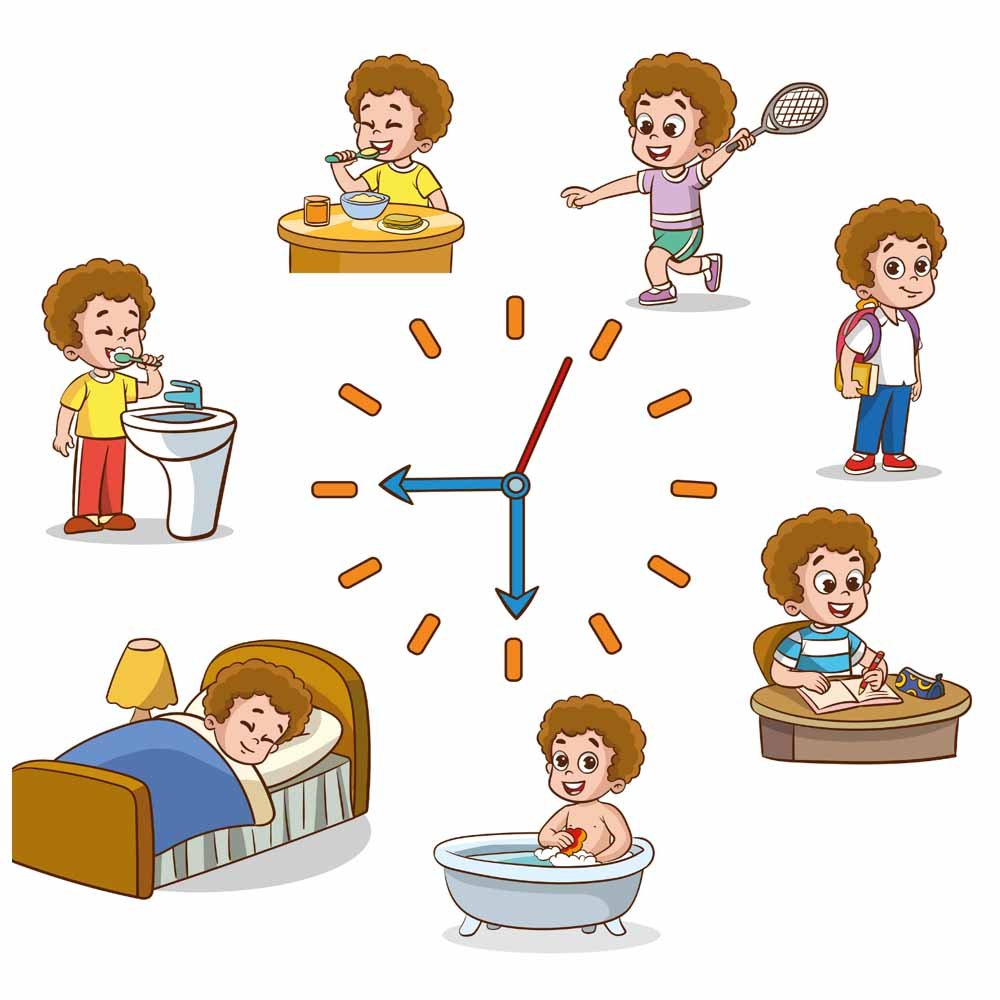
Create a Wind-Down Routine – Reading, light stretching, or a warm shower before bed signals to your body that it is time to slow down.
Keep Your Room Cool and Dark – A cooler bedroom temperature and minimal light support deeper, more uninterrupted sleep cycles.
Avoid Long Daytime Naps – Naps longer than 30 minutes, especially late in the day, can make it harder to fall asleep at night.
Don't Force Sleep – If you can't fall asleep after 20 minutes, get up, do something calming in low light, and return to bed when you feel tired again.
