
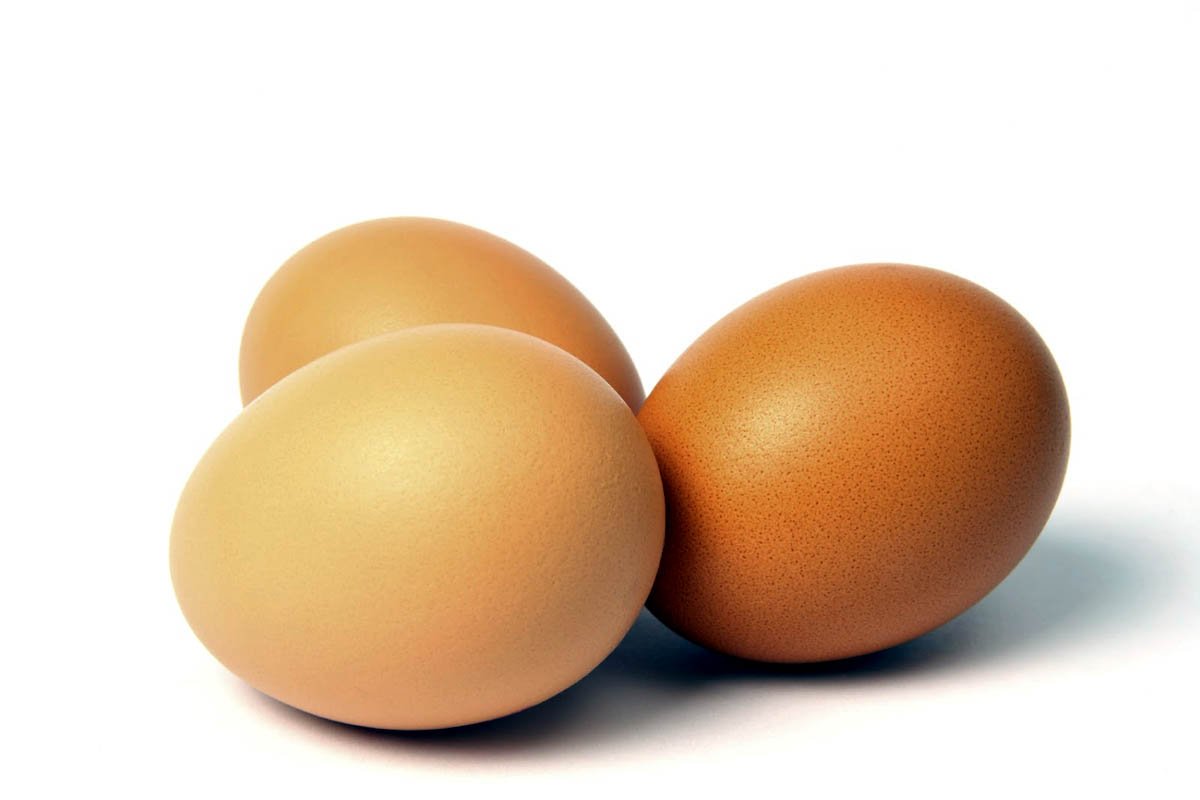
Wondering how many calories in 3 eggs? Three large whole eggs contain approximately 216 calories and 19 grams of protein before adding cooking oil, butter, or other ingredients. However, the final calorie count depends on egg size and preparation method. At Health Calculator CO , we make nutrition information simple so you can understand exactly what goes into your meals.
Eggs are a popular breakfast choice because they are affordable, easy to prepare, and naturally rich in protein. Whether you enjoy boiled eggs, scrambled eggs, fried eggs, or a homemade omelette, understanding their nutritional values can help you plan a balanced diet. This guide covers the calories, protein, fat, and essential nutrients in three eggs.
Quick Answer: Three large raw eggs contain about 216 calories, while three large hard-boiled eggs provide approximately 234 calories according to standard food composition data. Both provide around 19 grams of protein. Scrambled eggs, fried eggs, and omelettes may contain additional calories from cooking fats and other ingredients.
How Many Calories Are in 3 Eggs?
The calories in three eggs depend mainly on their size. A standard large egg contains approximately 72 calories before cooking, so three large eggs provide around 216 calories. Smaller eggs contain fewer calories, while extra-large and jumbo eggs provide more.
Egg calories come primarily from protein and fat. Eggs contain very little carbohydrate, making them useful in many different eating patterns. The following table shows how the calorie count changes with egg size.
| Egg Size | Calories Per Egg | Calories in 3 Eggs |
|---|---|---|
| Small | 54 | 162 |
| Medium | 63 | 189 |
| Large | 72 | 216 |
| Extra Large | 80 | 240 |
| Jumbo | 90 | 270 |
Approximate values for plain, raw whole eggs based on USDA food composition estimates. Egg sizes and labeling may differ between countries.
How Many Calories in 3 Eggs Boiled?
Three large hard-boiled eggs contain approximately 234 calories and 19 grams of protein. A large hard-boiled egg contains around 78 calories, making three eggs a protein-rich meal or snack without added cooking oil.
Boiling does not add calories to the eggs. The small difference between published raw and boiled nutrition values comes from differences in food composition measurements and cooking changes, including water content.
Boiled eggs are convenient because they can be prepared in advance and served with vegetables, salads, or whole-grain bread. However, mayonnaise, butter, and other additions should be counted separately.
How Many Calories in 3 Eggs Scrambled?
Three large eggs scrambled without added fat start at approximately 216 calories. When butter, milk, or oil is included, the total increases. For example, three eggs cooked with one teaspoon of butter contain around 250 calories if all the butter is consumed.
Adding two tablespoons of whole milk would increase that example to approximately 269 calories. Cheese, cream, and additional cooking fat can raise the total further.
| Scrambled Egg Preparation | Estimated Calories |
|---|---|
| 3 Large Eggs, Plain | 216 |
| 3 Eggs + 1 tsp Butter | 250 |
| 3 Eggs + 1 tsp Olive Oil | 256 |
| 3 Eggs + Butter + 2 tbsp Milk | 269 |
Recipe estimates assume the full amount of added butter, oil, or milk is eaten. Actual values depend on preparation and ingredients.
How Many Protein in 3 Eggs?
Three large whole eggs provide approximately 18.9 grams of protein. Each large egg contains about 6.3 grams. Egg protein is considered complete because it provides all nine essential amino acids that the body cannot produce itself.
Protein helps maintain and repair muscles, supports normal tissue growth, and contributes to feeling satisfied after eating. Three eggs can make a useful contribution to your daily protein needs, although individual requirements depend on body size, activity, age, and overall health.
3 Whole Eggs: Protein and Calories
Whole eggs contain both whites and yolks. The whites provide protein with very little fat, while the yolks contain additional protein, fat, vitamins, and minerals. Together, they offer a balanced range of nutrients.
| Nutrient | 3 Large Whole Eggs |
|---|---|
| Calories | 216 kcal |
| Protein | 18.9 g |
| Total Fat | About 14.3 g |
| Carbohydrates | About 1.1 g |
| Fiber | 0 g |
Approximate nutrition values for three large raw whole eggs, totaling about 150 grams of edible egg.
How Many Calories in 3 Eggs Fried?
The calorie count of three fried eggs depends largely on the amount of cooking oil or butter. Three large eggs provide about 216 calories before frying. Cooking them with one teaspoon of olive oil brings the total to roughly 256 calories if all the oil is consumed.
A full tablespoon of olive oil adds approximately 120 calories, potentially bringing the total to around 336 calories. If some oil remains in the pan, the actual amount consumed may be lower.
Using a nonstick pan can help you control the amount of cooking fat. The eggs still provide nearly the same protein, but their total fat and calorie content may change.
How Many Calories in a 3-Egg Omelette?
A plain omelette made with three large eggs starts at around 216 calories before cooking ingredients are added. If you use one teaspoon of oil, the total becomes approximately 256 calories.
Omelettes often contain cheese, vegetables, mushrooms, meat, or additional cooking fats. These ingredients change both the calorie count and nutritional value. For example, adding approximately 28 grams of cheddar cheese may contribute another 110 calories.
Example: 3-Egg Cheese Omelette
| Ingredient | Calories |
|---|---|
| 3 Large Eggs | 216 |
| 1 tsp Olive Oil | 40 |
| 28 g Cheddar Cheese | 110 |
| Total | 366 |
This is an illustrative recipe, not a universal calorie count. Additional vegetables, sauces, or other ingredients should be included separately.
How Many Calories in 3 Medium Eggs?
Three medium eggs contain approximately 189 calories before cooking. Each medium egg weighs around 44 grams without the shell and provides approximately 63 calories and 5.5 grams of protein.
Therefore, three medium eggs supply around 16.5 grams of protein. This is slightly less than the protein in three large eggs. If you are tracking calories closely, check the size printed on your egg carton before calculating your meal.
3 Eggs: Protein and Calories by Cooking Method
Different cooking methods can produce very different calorie totals even when the number of eggs stays the same. The table below compares common preparations using three large eggs.
| Cooking Method | Calories | Protein |
|---|---|---|
| Raw, Whole | 216 | 18.9 g |
| Hard-Boiled | 234 | 18.9 g |
| Scrambled, Plain | About 216 | About 18.9 g |
| Fried With 1 tsp Oil | About 256 | About 18.9 g |
| Omelette With 1 tsp Oil | About 256 | About 18.9 g |
Plain scrambled and omelette values are ingredient-based estimates. The hard-boiled value comes from a separate cooked-egg database entry. Cooking and serving measurements can cause variations.
Are 3 Eggs Good for Weight Loss?
Eggs can fit into a weight-management plan because they provide protein and important nutrients in a relatively manageable serving. Protein can help with fullness, but eating eggs alone does not cause weight loss.
The total calories in your meals and overall eating pattern matter more than any single food. Three boiled eggs with vegetables will have a different nutritional profile from three eggs served with large amounts of butter, cheese, and processed meat.
Are 3 Eggs Good for Building Muscle?
Three large eggs supply nearly 19 grams of high-quality protein, which can contribute to muscle maintenance and recovery. Eggs also provide nutrients such as vitamin B12, selenium, vitamin D, and choline.
However, building muscle depends on adequate overall nutrition, consistent resistance training, and recovery. Eating three eggs does not automatically produce muscle growth. Your daily protein target should reflect your individual needs.
Three Whole Eggs vs. Three Egg Whites
Whole eggs and egg whites have different nutritional values. Three large egg whites contain around 51 calories and 10.8 grams of protein. Three whole large eggs contain about 216 calories and 18.9 grams of protein.
Egg whites are lower in calories and fat, while whole eggs provide additional nutrients from the yolk. Neither option is automatically better for everyone. Your choice depends on your overall dietary needs and preferences.
Is Eating 3 Whole Eggs Every Day Healthy?
Three eggs can provide valuable nutrients, but eating three whole eggs every day is not suitable for everyone. Egg yolks contain dietary cholesterol, and individual responses to cholesterol intake can differ.
The American Heart Association emphasizes overall dietary patterns and advises that many healthy adults can include up to one whole egg daily. Individual needs may differ, especially for people with elevated LDL cholesterol, diabetes, or certain cardiovascular risks. Ask a qualified healthcare professional about an appropriate intake for you.
How to Calculate Calories in Your 3-Egg Meal
Counting the calories in a homemade egg dish is easier when you separate the eggs from the additional ingredients.
Simple Egg Calorie Formula
Total Calories = Calories From 3 Eggs + Calories From Added Ingredients
For example, if you cook three large eggs with one teaspoon of butter:
216 + 34 = 250 calories.
Remember to add any cheese, milk, sauces, or other foods you include. Actual intake may vary depending on how much cooking fat is consumed.
Frequently Asked Questions About 3 Eggs
How many calories are in 3 large eggs?
Three large raw eggs contain approximately 216 calories. Each large egg provides about 72 calories before adding cooking fat or other ingredients.
How much protein is in 3 boiled eggs?
Three large hard-boiled eggs provide around 18.9 grams of protein. Boiling does not significantly change the total protein in the eggs.
How many calories are in 3 scrambled eggs with milk?
Three large eggs scrambled with two tablespoons of whole milk contain approximately 235 calories before adding cooking fat. One teaspoon of butter brings the illustrative total to around 269 calories.
How many calories are in 3 fried eggs with oil?
Three large eggs fried with one teaspoon of olive oil contain approximately 256 calories if all the oil is consumed. Additional oil increases the total.
How many calories are in a 3-egg cheese omelette?
A three-egg omelette containing one teaspoon of oil and 28 grams of cheddar cheese has approximately 366 calories. Larger cheese portions or additional ingredients increase this estimate.
Are 3 medium eggs lower in calories than 3 large eggs?
Yes. Three medium raw eggs contain approximately 189 calories, compared with about 216 calories in three large raw eggs. Exact values depend on edible weight.
Final Thoughts
So, how many calories in 3 eggs? Three large raw eggs provide approximately 216 calories and 19 grams of protein. Three large hard-boiled eggs contain about 234 calories, while fried eggs, scrambled eggs, and omelettes may contain more depending on the ingredients used.
At Health Calculator CO, we encourage you to consider the complete nutritional value of your meals, not just their calories. Eggs provide protein, vitamins, minerals, and other important nutrients. Understanding portion sizes and cooking ingredients can help you make informed choices that support your personal nutrition goals.
Nutrition and Health References:
- USDA FoodData Central – Egg Nutrition Database
- Healthline – Calories and Nutrition in Eggs
- Healthline – Hard-Boiled Egg Nutrition Facts
- Eat This Much – Three Large Eggs Nutrition
- American Heart Association – Eggs and Dietary Cholesterol
- FDA – Egg Safety Guidelines
Nutrition figures are approximate and may vary based on egg size, cooking method, and ingredients. Keep eggs refrigerated and cook them thoroughly to reduce foodborne illness risk. This article is intended for general nutrition education, not personalized medical advice.

Dr. Grace is a health and wellness content author dedicated to providing clear, accurate, and easy-to-understand information on nutrition, weight management, fitness, and general health. She focuses on original, evidence-informed content that helps readers better understand health topics and make informed choices.