
Building muscle requires more than regular workouts. Nutrition plays a major role in muscle development, recovery, and strength gains. Many people spend months in the gym without noticeable progress because their diet does not support their training goals. A high-protein diet for muscle building can help bridge that gap and provide your body with the nutrients it needs to grow stronger.
Protein serves as the foundation of muscle repair. Every workout places stress on muscle fibres. Your body then repairs that tissue during recovery periods. Adequate protein intake helps support that process. As a result, muscles become stronger and larger over time. A well-structured eating plan can also improve recovery, reduce muscle loss, and support long-term fitness goals.
Many beginners ask the same question. How much protein is enough? Another common concern involves food choices. Some people rely heavily on supplements, while others prefer whole foods. Understanding the role of protein can help you make better decisions and achieve more consistent results.
High Protein Diet for Muscle Building
A successful high-protein diet for muscle building focuses on quality, consistency, and balance. Protein supports muscle protein synthesis, which is the biological process responsible for repairing and building muscle tissue. Resistance training creates the stimulus, but nutrition provides the raw materials that support growth.
Research from the International Society of Sports Nutrition suggests that physically active individuals benefit from higher protein intake compared to sedentary adults. Adequate protein consumption supports muscle recovery and helps maintain lean body mass.
A balanced approach remains essential. Protein works best when combined with sufficient calories, healthy fats, complex carbohydrates, hydration, and quality sleep. Muscle growth depends on the interaction of all these factors rather than a single nutrient.
Why Protein Matters for Muscle Growth
Protein contains amino acids that act as building blocks for muscle tissue. After a challenging workout, muscle fibers require repair. Amino acids help rebuild those fibers and support adaptation to training stress.
Many people underestimate the importance of recovery. Hard training alone does not produce muscle growth. Recovery allows the body to adapt and become stronger. Protein supports that recovery process and helps reduce muscle breakdown.
Scientific evidence continues to support the connection between protein intake and muscle development. Research published through the National Institutes of Health indicates that sufficient protein intake supports muscle maintenance and growth when combined with resistance exercise.
A practical perspective often helps. Imagine constructing a building without enough bricks. Progress would stop quickly. Muscle development works in a similar way. Your body requires a consistent supply of amino acids to support growth.
How Much Protein Do You Need to Build Muscle?
Protein requirements vary according to body weight, training intensity, age, and fitness goals. Most sports nutrition experts recommend between 1.6 and 2.2 grams of protein per kilogram of body weight each day for individuals focused on muscle growth.
A person who weighs 70 kilograms may require between 112 and 154 grams of protein daily. Another person with different training demands may need slightly more or less.
Meal distribution also deserves attention. Protein intake spread throughout the day may support muscle protein synthesis more effectively than consuming most daily protein in one meal. Many athletes divide their intake across breakfast, lunch, dinner, and snacks.
Health Calculator can help estimate your calorie and nutrition needs based on personal goals. Accurate calculations often improve dietary planning and increase the likelihood of long-term success.
Best Protein Foods for Muscle Growth
Food quality plays an important role in a high-protein diet for muscle building. Whole food sources provide protein along with vitamins, minerals, and other nutrients that support overall health.
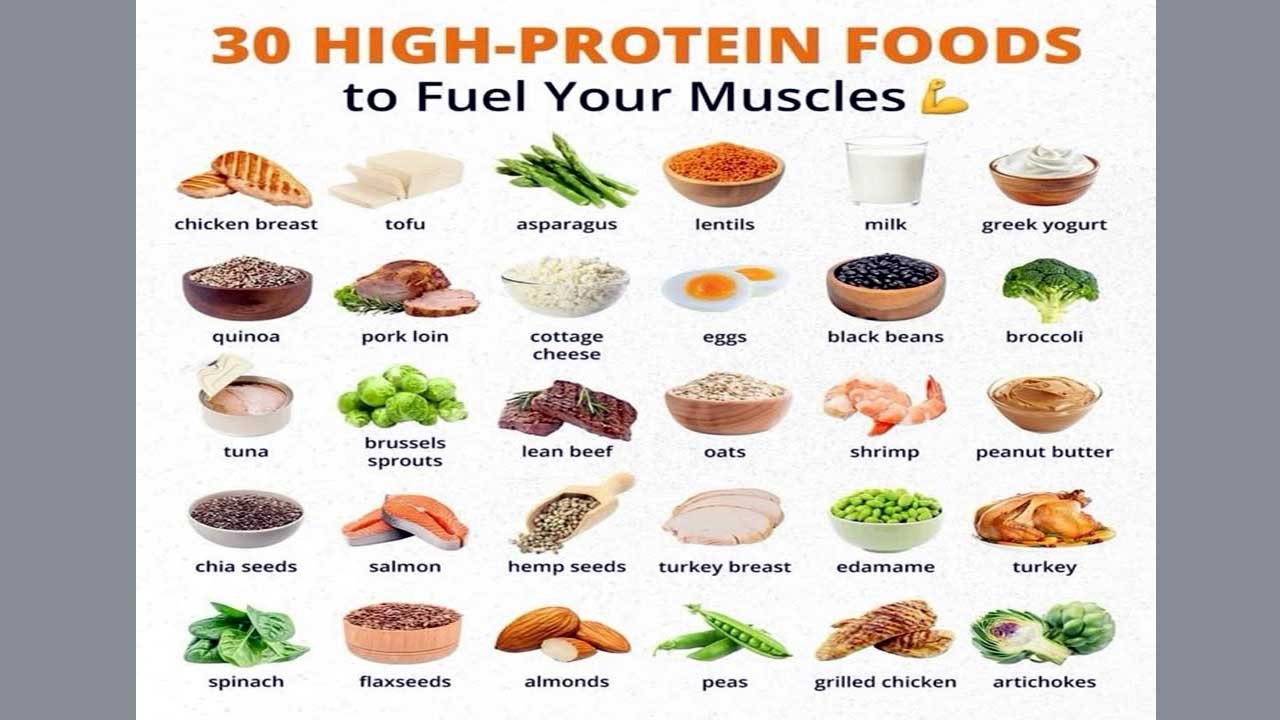
Chicken breast remains one of the most popular protein sources among athletes. It contains high-quality protein with relatively low fat content. Eggs also rank among the best options because they provide all essential amino acids in a highly digestible form.
Fish such as salmon and tuna offer another excellent choice. Along with protein, fish contains omega-3 fatty acids that may support recovery and cardiovascular health. Greek yogurt provides protein and calcium, which makes it useful as a snack or breakfast option.
Plant-based eaters can also meet their protein goals. Lentils, chickpeas, tofu, tempeh, quinoa, and edamame contribute valuable protein and nutrients. A combination of different plant foods often helps create a more complete amino acid profile.
A diverse diet generally produces better results than relying on a single protein source. Variety can also improve adherence and make healthy eating more enjoyable.
High Protein Meal Plan for Muscle Gain
A structured meal plan can simplify nutrition and improve consistency. Many successful athletes focus on balanced meals that provide protein at regular intervals throughout the day.
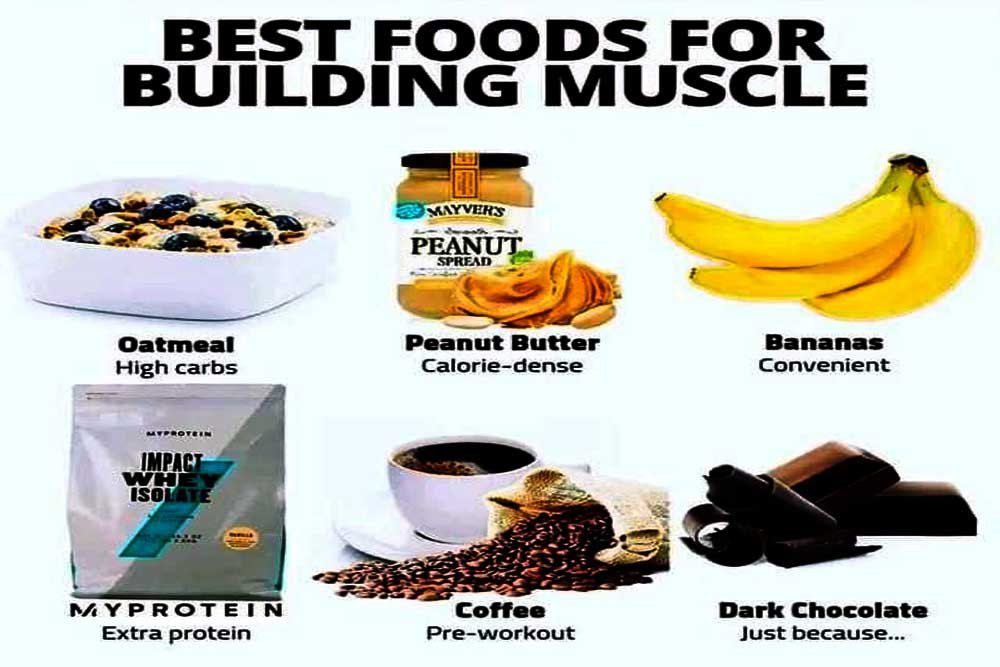
Breakfast may include eggs, oats, and Greek yogurt. Such a meal provides protein, carbohydrates, and nutrients that support energy levels. Lunch often centers on lean protein sources such as chicken breast paired with rice and vegetables. Dinner may include fish, sweet potatoes, and a variety of colourful vegetables.
Snacks also contribute to daily protein goals. Greek yogurt, cottage cheese, protein shakes, and nuts can help fill nutritional gaps between meals. Consistency matters more than perfection. Small improvements sustained over months often produce significant results.
A high-protein diet for muscle building becomes easier to maintain when meal preparation becomes part of your weekly routine.
Animal vs Plant Protein for Muscle Building
A debate often exists between animal and plant protein sources. Both can support muscle growth when consumed appropriately.
Animal proteins generally provide complete amino acid profiles. Eggs, dairy products, fish, poultry, and lean meat contain all essential amino acids in sufficient quantities. Such foods often receive high ratings for protein quality and digestibility.
Plant proteins offer additional benefits. Many plant foods contain fiber, antioxidants, and beneficial compounds that support overall health. Athletes who follow vegetarian or vegan diets can still build muscle effectively through proper planning and adequate calorie intake.
Personal preference, dietary restrictions, and lifestyle factors often determine which approach works best. The most important factor remains total protein intake and dietary consistency.
Protein Timing for Maximum Muscle Growth
Protein timing attracts considerable attention in the fitness community. However, total daily protein intake remains the primary factor.
Many experts recommend consuming protein every three to four hours throughout the day. Such an approach may support a steady supply of amino acids for muscle repair. Post-workout meals often receive special attention because muscles become particularly receptive to nutrients after exercise.
A practical strategy involves including protein with each major meal. Such an approach simplifies planning and helps ensure consistent intake. Perfection is not necessary. Regular habits often matter more than precise timing.
A high-protein diet for muscle building should fit comfortably within your daily routine rather than create unnecessary stress.
Common High Protein Diet Mistakes
Several mistakes can limit muscle-building progress. Insufficient calorie intake ranks among the most common issues. Muscle growth requires energy. A calorie deficit may slow recovery and reduce gains.
Poor hydration creates another challenge. Water supports nutrient transport, recovery, and overall performance. Many people focus on protein intake but overlook fluid consumption.
Sleep quality also influences results. Recovery depends heavily on adequate rest. A poor sleep schedule can negatively affect strength, performance, and muscle repair.
Another mistake involves excessive reliance on supplements. Protein powders offer convenience, but whole foods should remain the foundation of a healthy diet. Whole foods provide additional nutrients that supplements cannot fully replace.
High Protein Diet Benefits Beyond Muscle Building
A high-protein diet for muscle building offers benefits that extend beyond the gym. Higher protein intake can help support appetite control and improve satiety. Many people feel fuller after protein-rich meals compared to meals that rely heavily on refined carbohydrates.
Protein also helps preserve lean body mass during weight loss efforts. Such a benefit becomes particularly important for individuals who want to reduce body fat while maintaining muscle.
Healthy aging represents another advantage. Muscle mass naturally declines with age. Adequate protein intake combined with resistance training may help slow that process and support functional strength.
Final Thoughts
A high-protein diet for muscle building provides the nutritional support required for muscle repair, recovery, and growth. Quality protein sources, balanced meals, consistent training, and proper recovery all contribute to long-term success.
Progress rarely occurs overnight. Patience and consistency often separate successful individuals from those who quit too early. A realistic nutrition strategy can help you stay on track and achieve sustainable results.
Health Calculator offers practical tools that can simplify your fitness journey. Accurate calculations can help estimate calorie needs, track body composition, and support informed dietary decisions. Small daily improvements often create significant results over time.
Internal Linking Strategy
Link naturally to related resources on Health Calculator, including the Calorie Calculator, BMR Calculator, Weight Loss Calculator, TEED Calculator.

Dr. Grace is a health and wellness content author dedicated to providing clear, accurate, and easy-to-understand information on nutrition, weight management, fitness, and general health. She focuses on original, evidence-informed content that helps readers better understand health topics and make informed choices.