
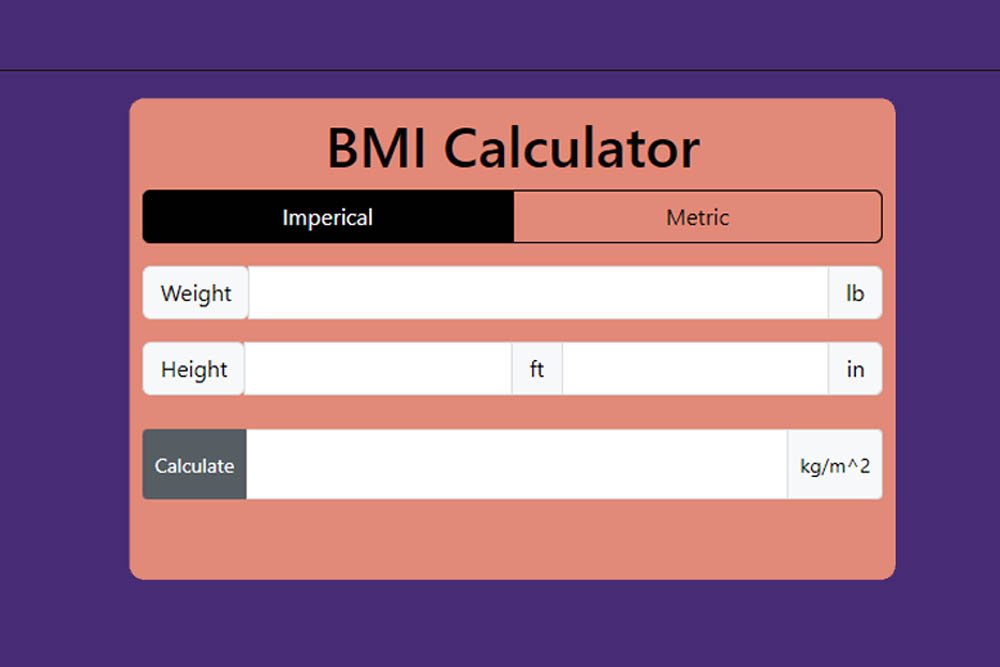
Amputation is a life-changing event that affects not only the body but also the way a person lives and manages their health. One crucial aspect of health that may change after amputation is body weight management. A BMI Amputation Calculator can help individuals who have experienced limb loss understand their body composition better and support healthier weight management. In this post, we will explain what a BMI Amputation Calculator is, how it works, who should use it, and why it is so important for amputees in managing their health.
What is a BMI Amputation Calculator?
A BMI Amputation Calculator is a specialized tool that adjusts the traditional body mass index (BMI) calculation to account for limb loss. BMI is a measurement commonly used to assess whether an individual has a healthy weight in relation to their height. However, traditional BMI does not take into consideration individuals who have had amputations, which can lead to inaccurate assessments of body weight and health.
The BMI Amputation Calculator offers a more accurate method for calculating BMI by adjusting for the loss of limb mass. This helps amputees receive a more personalized and precise result when it comes to assessing their weight status check and health risks.
Why BMI Calculation is Different for Amputees
Traditional BMI is calculated by dividing a person’s weight in kilograms by their height in meters squared. However, this method doesn’t account for the fact that individuals who have had an amputation may have less body mass due to the missing limb. As a result, the BMI calculation may underestimate or overestimate the health status of an amputee.
For instance, an amputee may appear to have a normal or low BMI, even if they have excess fat or muscle loss in other parts of their body. This is why a standard BMI may not provide an accurate picture of an amputee’s overall health.
A BMI Amputation Calculator adjusts the formula to account for the missing limb mass, giving a more accurate picture of a person’s body composition and potential health risks.
How a BMI Amputation Calculator Works
The BMI Amputation Calculator works by using the same basic formula as traditional BMI, but adds a correction factor based on the estimated weight of the amputated limb. This calculation helps to remove the bias caused by limb loss, allowing for a more accurate assessment of body weight.
Typically, a medical professional will provide information about the weight of the amputated limb based on standard medical guidelines. This adjustment ensures that the BMI result is more reflective of the amputee’s current health status.
Here’s a simplified version of how it works:
- The individual’s weight is recorded.
- The missing limb’s weight is estimated using standard medical data.
- The corrected weight is used in the BMI formula to give a more accurate result.
This adjusted result helps healthcare providers better understand whether the amputee is underweight, overweight, or in a healthy weight range. It’s an important tool for both patients and healthcare professionals when it comes to managing weight and health after limb loss.
Who Should Use a BMI Amputation Calculator?
Anyone who has experienced amputation can benefit from using a BMI Amputation Calculator. Whether the amputation is due to a medical condition, an injury, or a surgical procedure, the tool can provide important insights into one’s weight status and overall health.
Amputees looking to manage their weight: Whether you’re trying to maintain a healthy weight or lose excess weight after amputation, the BMI Amputation Calculator can offer a more accurate reading to guide your efforts.
Healthcare professionals: Doctors, dietitians, and physical therapists can use this tool to provide better advice and weight management plans tailored to the unique needs of their amputee patients.
Individuals post-surgery: After undergoing amputation, individuals may experience changes in metabolism, muscle mass, and fat distribution. Using the BMI Amputation Calculator can help you track these changes and adjust your diet and exercise routine accordingly.
Health Benefits of Accurate BMI Tracking After Amputation
Accurate BMI tracking can help amputees in several important ways:
Prevention of Health Risks: Maintaining a healthy weight is essential for preventing a range of health conditions, including diabetes, heart disease, and high blood pressure. An accurate BMI can help you monitor your weight and make adjustments to your lifestyle to stay within a healthy range.
Personalized Weight Management: After limb loss, your body composition may change, which can affect your weight management goals. The BMI Amputation Calculator provides a personalized measurement that can help you track progress and avoid unnecessary weight gain or loss.
Improved Mobility: Carrying excess weight after amputation can affect your mobility and comfort. By understanding your true BMI, you can work with your healthcare provider to develop a more effective weight management plan that can improve your ability to move and engage in physical activity.
Nutritional Guidance: A healthy BMI supports better nutrition. By knowing whether your BMI is within a healthy range, you can work with a nutritionist to ensure you’re getting the right nutrients to support your overall well-being, muscle recovery, and limb prosthetics use.
Limitations of BMI for Amputees
While the BMI Amputation Calculator is a helpful tool, it’s important to recognize the limitations of BMI in general, particularly for amputees:
BMI Does Not Measure Body Fat Directly: BMI can’t differentiate between fat and muscle, so it’s not a perfect indicator of body composition. Even after amputation, an amputee’s BMI may not fully reflect muscle loss, fat distribution, or other factors that affect overall health.
Doesn’t Account for Other Health Conditions: BMI doesn’t consider other health factors like metabolic health, cardiovascular issues, or mobility levels. While it’s a useful screening tool, it should be used in conjunction with other medical assessments.
Physical Limitations: Depending on the level and type of amputation, individuals may face challenges in engaging in physical activity. Therefore, it’s important to consult with healthcare providers to develop a balanced plan that includes appropriate exercises and dietary modifications.
How to Use the BMI Amputation Calculator on healthcalculator.co
Using the BMI Amputation Calculator on HealthCalculator.co is simple:
Enter Your Information: Input your weight and height. If you know the weight of your amputated limb, input that as well. If not, the calculator may provide a default weight estimate.
Adjust for Limb Loss: If applicable, input the relevant data about your amputation to get an adjusted BMI calculation that accounts for your missing limb.
Interpret the Results: The calculator will give you a BMI score that is adjusted for your specific situation. This will provide a more accurate assessment of your body weight.
Follow Up with Healthcare Professionals: While the BMI Amputation Calculator can provide useful insights, it’s always best to consult with a doctor, dietitian, or physical therapist to discuss how to manage your health after amputation.
Frequently Asked Questions
Q: Can I use a regular BMI calculator after amputation?
A: A regular BMI calculator doesn’t account for limb loss, which can lead to inaccurate results. A BMI Amputation Calculator is specifically designed to give a more accurate reading by adjusting for the missing limb.
Q: Do I need to see a doctor before using the BMI Amputation Calculator?
A: It’s not required, but consulting with your healthcare provider before using the calculator can help you understand the context of the results and guide your next steps in weight management.
Q: Is BMI the only measure of health for amputees?
A: No, BMI is just one tool. Other factors like muscle mass, fat distribution, and physical fitness also play important roles in overall health.
Final Thoughts
A BMI Amputation Calculator is an essential tool for amputees looking to maintain a healthy weight after limb loss. It offers a more accurate assessment of body mass and health risks than traditional BMI calculations. By using this tool, individuals and healthcare professionals can take important steps toward better weight management, improved mobility, and overall well-being. Remember, while BMI is a helpful guide, it’s just one piece of the puzzle—consulting with healthcare providers for a comprehensive health plan is always a good idea.